
Every engineer knows the feeling: your work, someone else’s test bench, nowhere to hide. That is where the KVA38 has been, at bp’s CHCP lab in Houston, Texas. The numbers are in, and the mounted actuator demonstrated reliable and automated flow control capabilities.
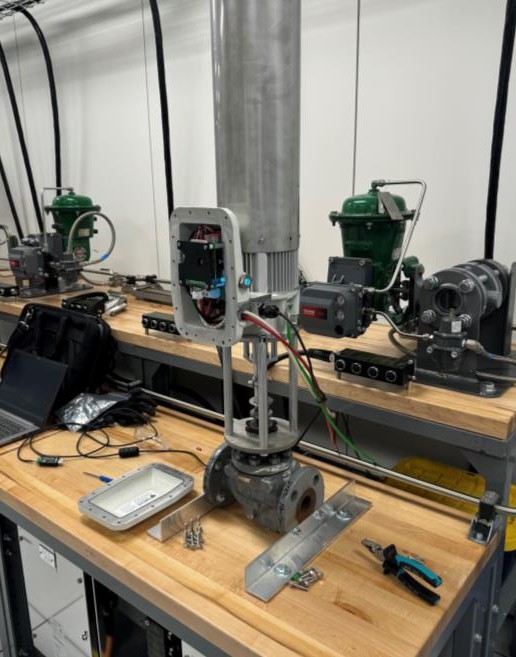
Kinitics Automation has published the results of an independent evaluation of the KVA38 electric valve actuator at bp’s lab. The actuator was mounted on a representative control valve previously used in bp operations and put through a series of tests covering positioning, disruption and endurance.
Three Takeaways
- Less than 0.25% deadband. This is the one we watch. Deadband is where control loops break down, and a figure this low means the valve responds to small corrections instead of waiting for the error to build.
- Stable under disruption. Minimal effects observed when valve stem loading was changed, setting expectations for consistent performance under real-world dynamic flow and aging valve conditions.
- 140,960 repositions, completed by following an intensive motion profile that evaluated the KVA38’s durability over extended use.
Why It Matters
Before a field trial, every operator asks two questions: will the actuator do what we command it to and how long will it last? Those are hard claims to take on a manufacturer’s word. This evaluation put both to the test on bp’s bench, on a valve taken from bp’s own operations.
One note on scope, because we’re engineers and we care about this sort of thing: these results come from a bench evaluation under limited lab conditions. They sit alongside our field experience with the KVA38 at working gas facilities.
Read the Results
The case summary walks through each test and shares results: Download the bp lab case summary (PDF)
Want to see how the KVA38 could work on your valves? Talk to an engineer.